
From Markets to Landscapes: Which Value Chains Hold the Most Promise for Restorative Impact?
Africa faces a severe degradation challenge: around 75–80% of cultivated land is already degraded, and without intervention, over half of all arable land could be lost by 2050. The scale of degradation makes it clear that incremental, farm‑by‑farm interventions are not enough. What is needed are landscape‑level solutions that invest in restorative and ecologically suitable land‑use pathways across entire commodity value chains, shifting systems rather than isolated plots.
Critically, for these pathways to succeed, they must be anchored in financial incentives that make sustainable agriculture economically viable for farmers while delivering restoration outcomes across the value chain. The potential of doing so is significant. Regeneration estimates that, with the right investment and enabling conditions, 150k hectares in the Great Rift Valley (GRV) (1% of the landscape) and 134k hectares in the Rusizi Basin and Lake Kivu region (RBLK) (7% of the landscape) could transition to regenerative land use by 2030 [1].
Yet with East Africa’s diverse land‑use types, clear value‑chain prioritisation is essential. Many commodities are present across these landscapes, but only a subset offer strong leverage for restoration at scale. This article draws on Regeneration’s landscape study [2] for the World Resources Institute to identify those value chains – mapping land‑use archetypes, outlining restorative pathways and prioritising them based on business, people, nature and climate benefits.
Restorative vs. Extractive Commodity Production Models
Restorative commodity production models embed regeneration directly into how agri‑SMEs operate. Their commercial performance depends on improving soil health, protecting forests and strengthening farming communities, which creates real market pull for practices like agroforestry, and organic farming. These businesses help farmers access impact‑linked revenue streams that reward ecological stewardship.
Extractive models do the opposite. They maximise short-term yields and revenue, often through unsustainable farming practices which clear vegetation, over-use water, and rely on high external inputs like synthetic fertilisers. This degrades natural capital over time, undermining the economic viability of the farming system itself.
Restorative Pathways in the Great Rift Valley: Avocado in Highland Crop–Livestock Systems
From Regeneration’s landscape study, we found that integrating avocado into highland crop–livestock systems offers one of the most promising restorative pathways in the GRV, combining strong ecological benefits with robust and growing market demand.
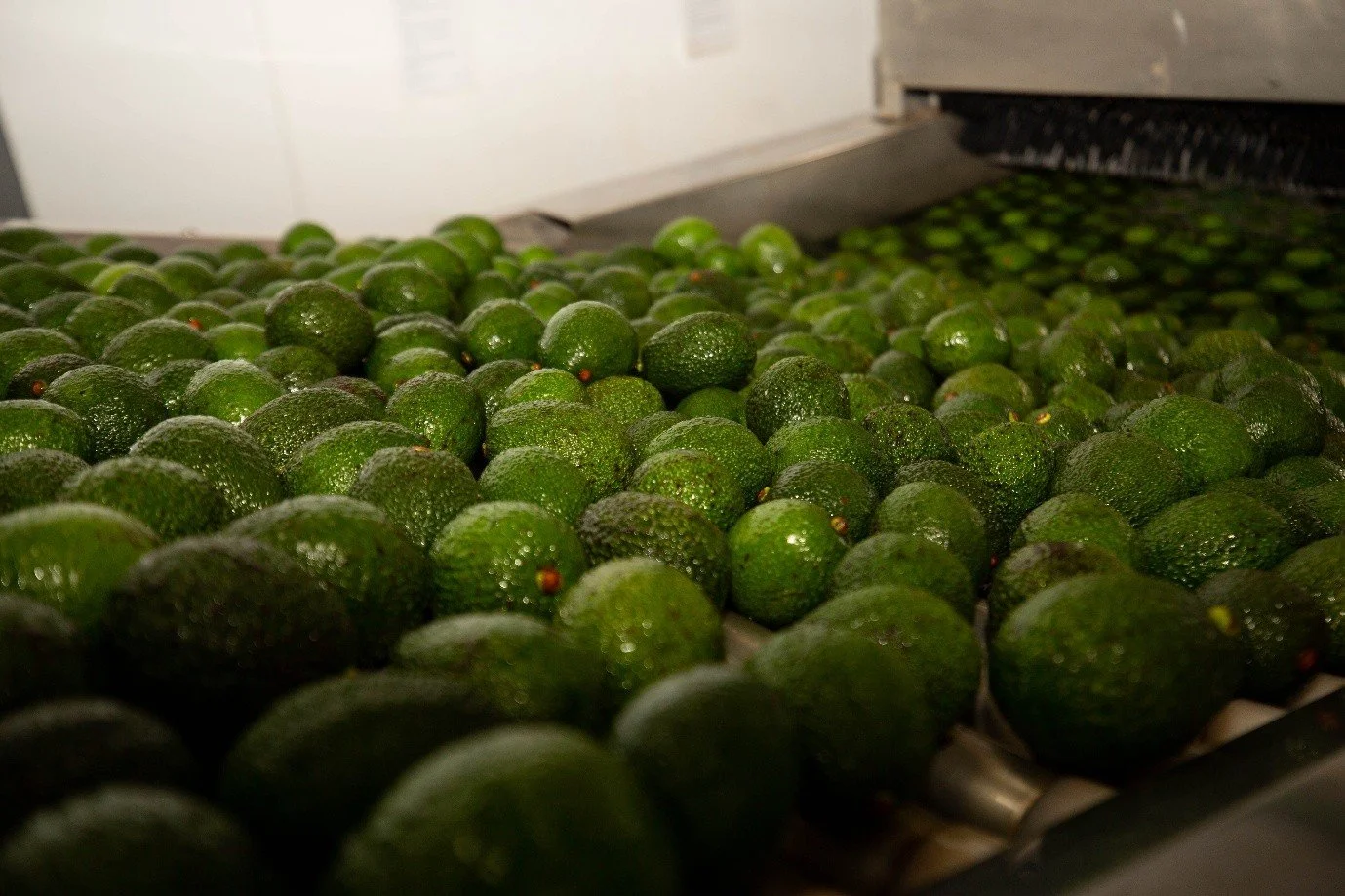
Figure 1: Hass avocados being sorted and processed at Biofarms’ processing site in Thika, Kenya. Biofarms is a restoration-focused agri-SME supported under the Market Readiness Technical Assistance (MRTA) facility.
As a perennial tree crop, avocado fits naturally into mixed farming systems, where it stabilises microclimates, reduces erosion and runoff, and enhances resilience for both crops and livestock. This makes it a leading candidate for landscape‑scale restoration in highland areas. Further, agroforestry systems built around avocado deliver particularly strong ecological co‑benefits. Trees increase on‑farm biodiversity, support natural pest control, and enrich soils through leaf mulch. While avocado is a water‑intensive crop and this needs to be carefully factored in, Kenya is generally well positioned to support sustainable expansion: climate‑suitable, high‑rainfall areas are increasing and around half of current production already uses practices such as organic farming.
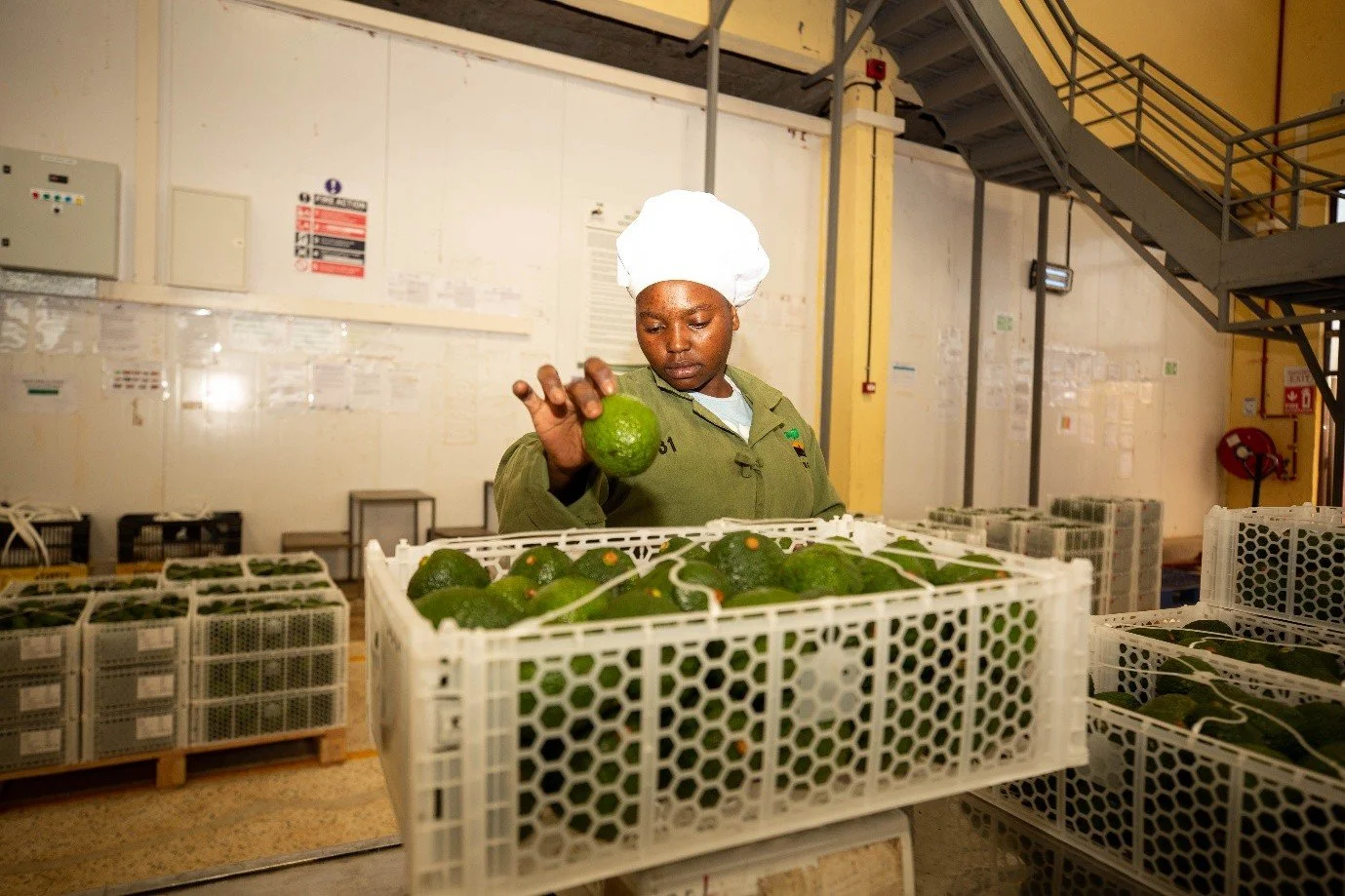
Figure 2: An employee sorting avocados at Biofarms’ processing site in Thika, Kenya.
Integrating livestock further strengthens the pathway. Manure provides natural fertiliser, improving soil health and crop yields, while silvopasture systems reduce input costs and enhance overall farm productivity. With low seedling and labour costs relative to returns, incorporating avocado trees into mixed farms can significantly boost farmer incomes – in some cases by around 2,000 USD per hectare.
The market opportunity is equally compelling. The global avocado sector is projected to reach 40 billion USD by 2032, growing at 9.2% annually. Demand is already strong in East Africa, with avocado accounting for more than half of MRTA’s finance mobilised in the region. High export demand, combined with strong government and community support, means avocado agroforestry systems can generate substantial rural income – up to 20k USD per household in some cases.
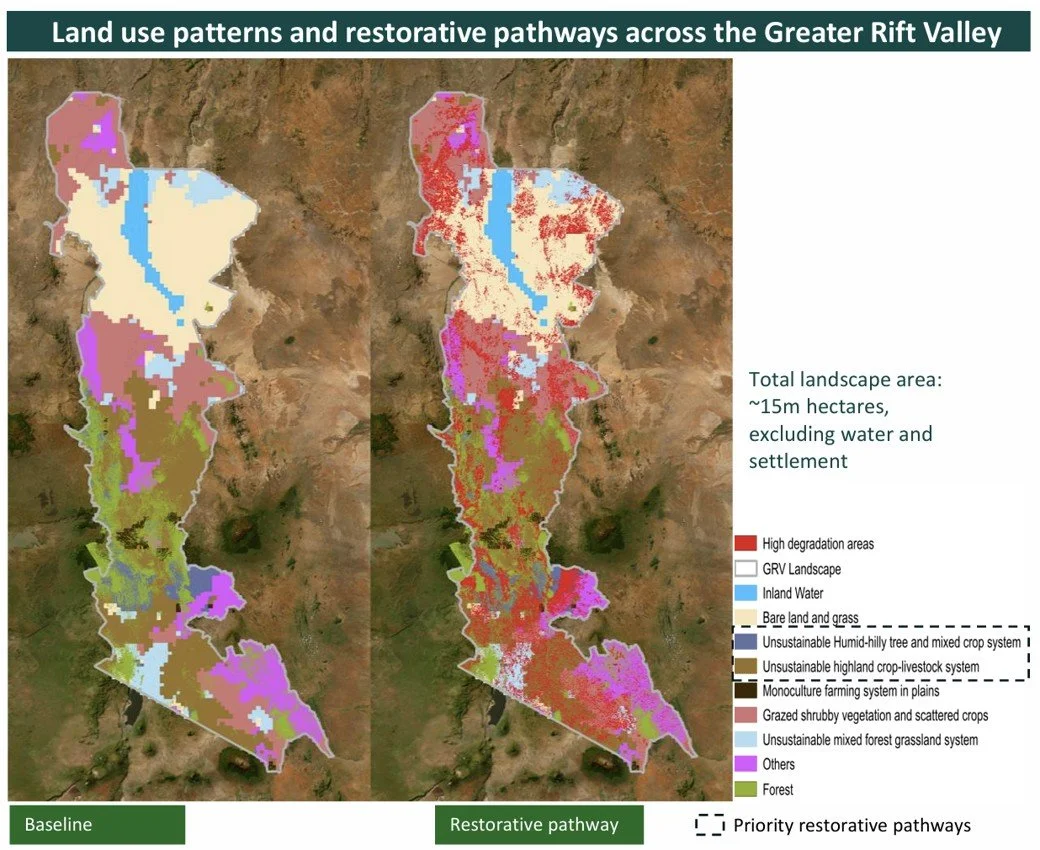
Figure 3: Land‑use patterns and priority restorative pathways across the Greater Rift Valley, based on Regeneration’s landscape study. The baseline reflects the current landscape with existing degradation and limited ecological protection. The restorative pathway shows a future scenario where proposed measures have been taken, like highland tree crop-livestock agroforestry and humid-hilly regenerative agroforestry.
With its substantial benefits, both financially and in terms of climate resilience, it’s not surprising that avocado is increasingly replacing tea and coffee in parts of the GRV. Both crops face tightening regulation and tea in particular offers limited restorative value, making avocado a more strategic, scalable and ecologically regenerative option for farmers seeking resilient, future‑proof value chains.
Restorative Pathways in the Great Rift Valley: Macadamia in Highland Crop–Livestock Systems
Macadamia provides another strong regenerative pathway in the GRV, with around 90% of macadamia already being produced by smallholders using low‑input practices that resemble regenerative agroforestry systems. Regeneration’s landscape study found that, alongside avocado, macadamia fits naturally within highland crop–livestock systems and together these two perennial crops cover roughly 25% of the landscape – offering large‑scale agroforestry potential and the opportunity to work with around 50,000 farmers.
Kenya is also well positioned to scale macadamia commercially. The country is already a top‑three global producer, and evidence shows that smallholders earn higher incomes from macadamia compared to other tree crops. Nuts command prices roughly twice those of avocado and coffee, reinforcing macadamia’s potential as a value-chain capable of delivering both ecological and economic resilience across the GRV.
Value addition can accelerate this transition even further. Macadamia oil production requires three times more nut‑in‑shell than kernel, meaning that scaling oil processing can triple farmer incomes and drive higher volumes through the value chain. With an estimated 200k-300k hectares suitable for macadamia, this pathway could almost meet Kenya’s national agroforestry target of 281k hectares by 2030.
Restorative Pathways in the Great Rift Valley: Mango in Hilly-Humid Regenerative Agriculture Models
Mango provides another strong regenerative pathway in the GRV, particularly in hilly humid zones where mango agroforestry already covers around 9% of the landscape, offering meaningful restoration potential through perennial tree cover and improved soil and microclimate stability. It is also highly suitable for the lower Rift Valley’s arid slopes, where its resilience to high temperatures, lower rainfall and intense sunlight allows it to thrive in conditions where traditional crops struggle, making mango a strategic option for climate‑stressed farming systems.
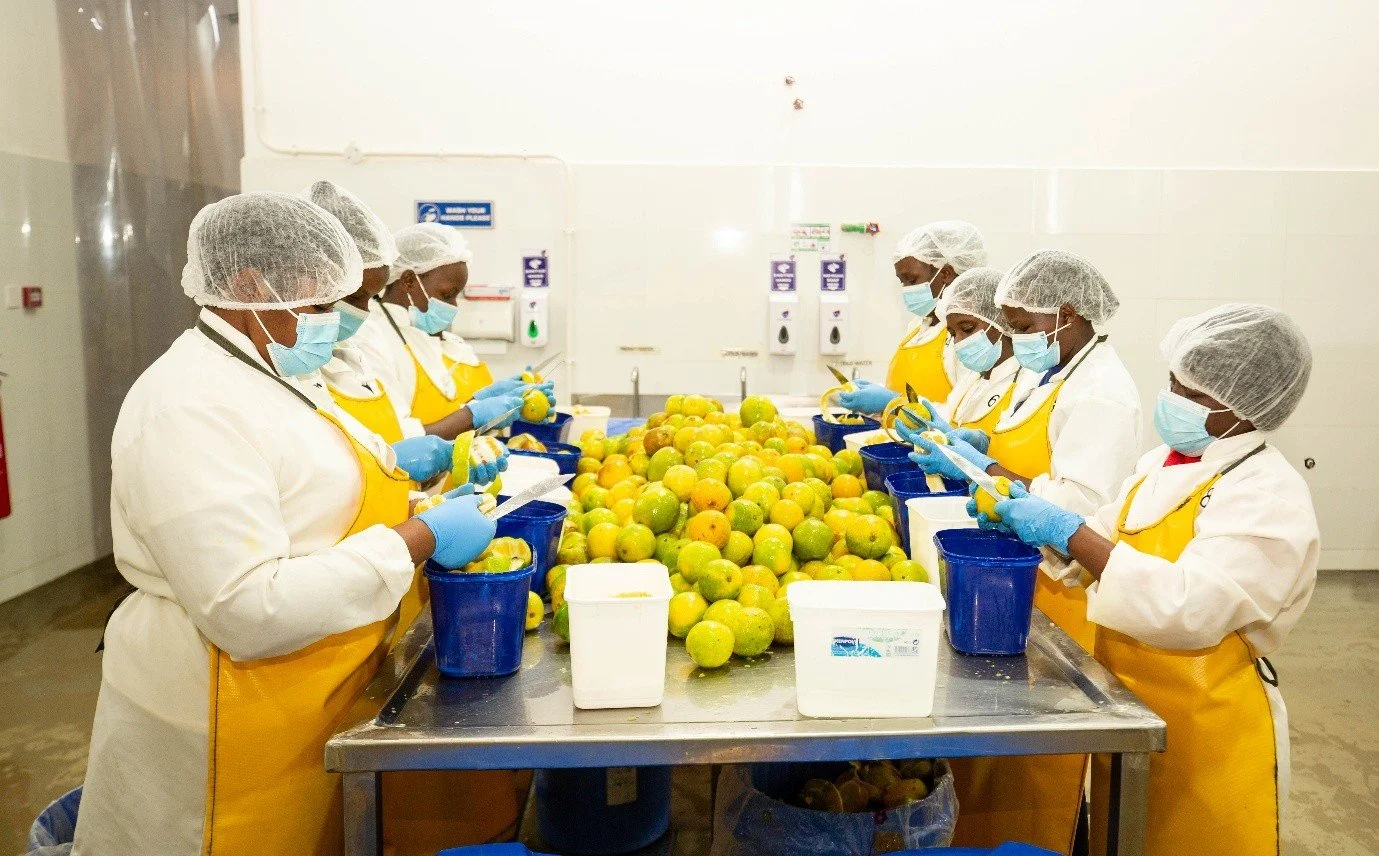
Figure 4: Employees peeling and washing mango at Orchard Juice’s processing facility just outside of Nairobi, Kenya. Orchard Juice is a restoration-focused agri-SME supported under the Market Readiness Technical Assistance (MRTA) facility.
The market case is equally strong. Mango enjoys high demand and consistently high yields, and regenerative practices can further enhance both productivity and sustainability. Its adaptability also creates a pathway that can reach large numbers of farmers: around 25k smallholders could benefit from regenerative mango agroforestry. Under well‑managed systems, net incomes of 11k-39k USD annually are achievable, reinforcing mango’s potential as a high‑leverage value chain capable of delivering ecological restoration alongside substantial rural income growth across the GRV.
Restorative Pathways in the Rusizi Basin and Lake Kivu: Coffee in Diversified Agroforestry Models
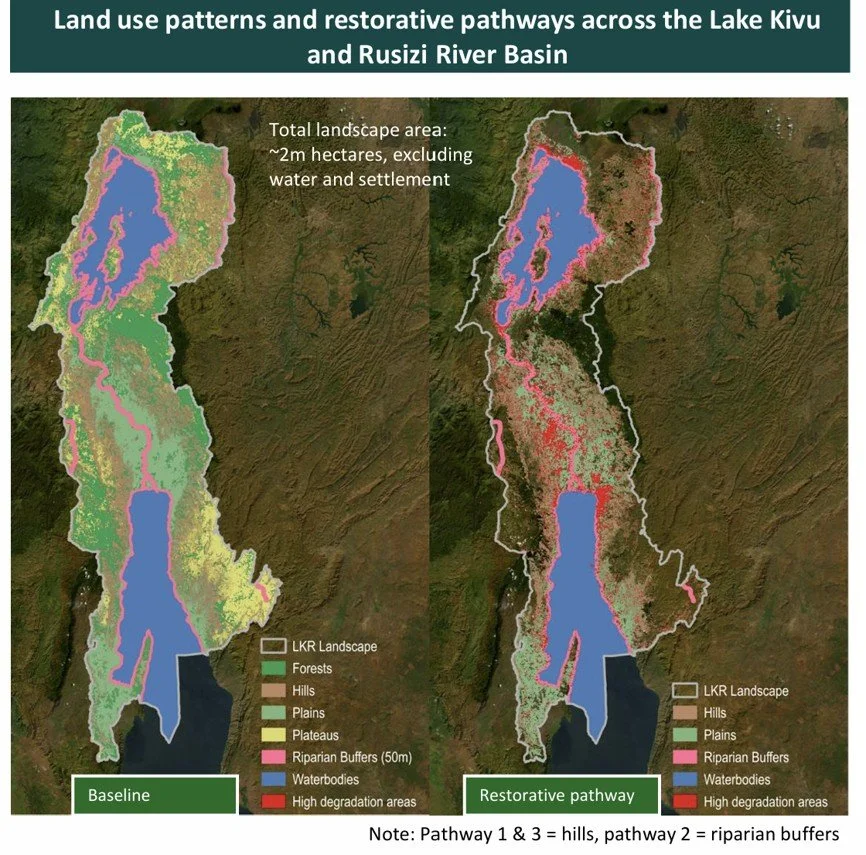
Figure 5: Land‑use patterns and priority restorative pathways across the Rusizi Basin–Lake Kivu region, based on Regeneration’s landscape study. The baseline reflects the current landscape with existing degradation and limited ecological protection. The restorative pathway shows a future scenario where proposed measures have been taken, like diversified coffee agroforestry, productive riparian buffers, and progressive agroforestry terraces.
In the RBLK, Regeneration’s landscape study positions diversified coffee agroforestry as a high‑impact restorative pathway, supported by ideal climate conditions and strong landscape suitability. These systems have the potential for significant ecological impact, supporting 19× higher biodiversity, storing 2x as much carbon, absorbing 20% more water and reducing runoff 2.5× compared to monoculture coffee [3]. In contrast, conventional coffee zones in the region face acute climate risk: around 50% of suitable areas are threatened, and 47–97% of highly suitable monoculture zones are projected to be lost by 2100.
Market demand reinforces this opportunity. Coffee is a high‑value export commodity, and the 24 billion USD specialty market is growing at 11% CAGR to 2030, driven by demand for high‑quality, origin‑linked and environmentally positive coffee. Farmers can earn 2.3× more from specialty coffee systems [4] than from conventional production, and producers can nearly double the share of value they capture. This positions regenerative coffee as a strategic, scalable pathway for both landscape restoration and rural prosperity in the RBLK.
The Roadblocks to the Regenerative Transition
While several high-potential regenerative pathways exist, scaling them requires overcoming significant barriers. Firstly, systemic and supply‑chain disruptions are a major constraint. Extreme weather, political instability, pests and diseases regularly disrupt production, often reducing suitable growing areas and pushing farmers to encroach into forested zones – a trend increasingly at odds with emerging regulations governing market access, such as the European Union Deforestation Regulation (EUDR).
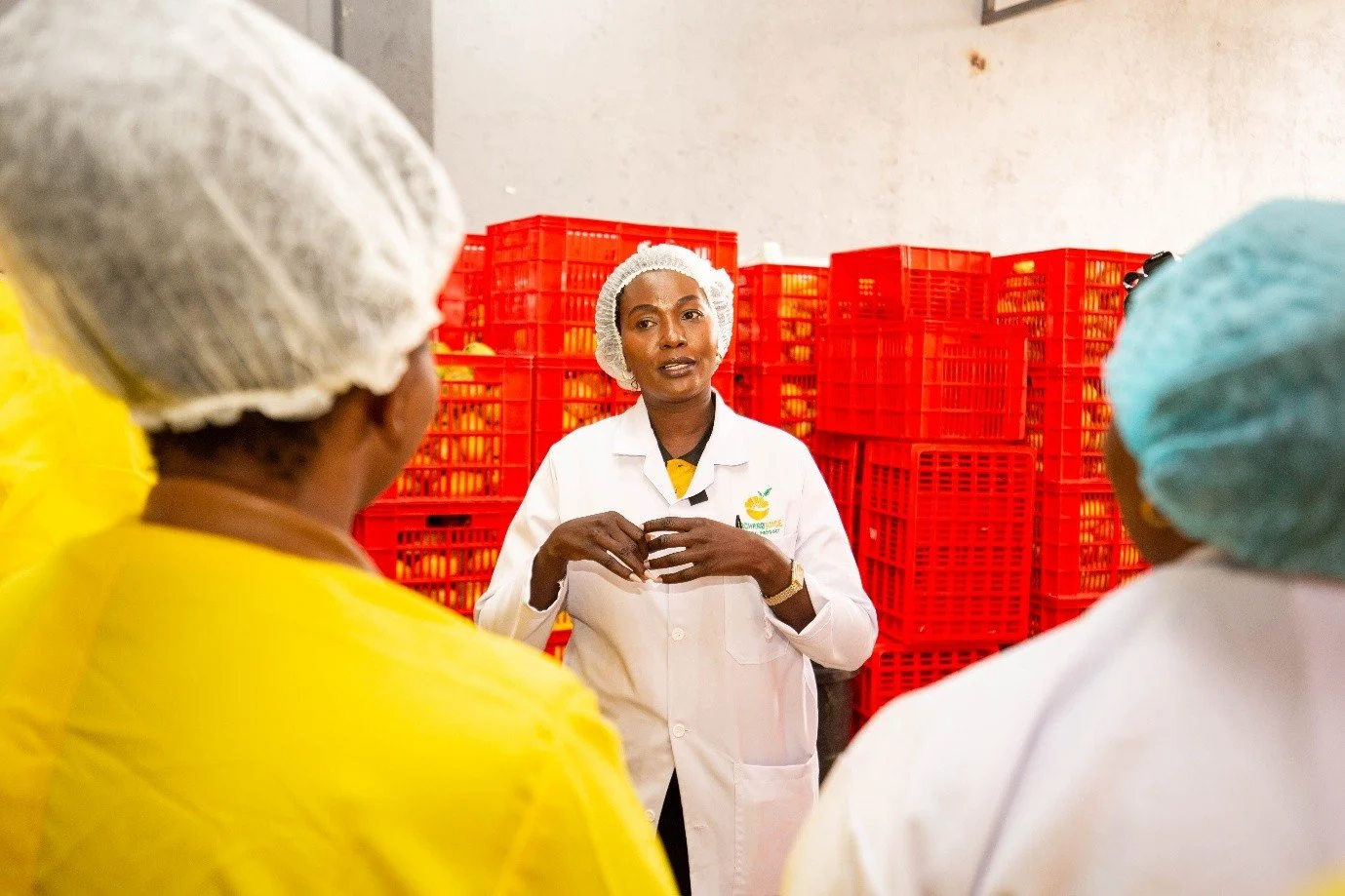
Figure 6: Pauline Kariuki, Director of Orchard Juice, speaking through some of the financial challenges and roadblocks they have experienced on a recent site visit.
Financial barriers further deter farmer transition. Restorative systems require high upfront investment, often 2-3 years of cumulative losses and long maturation periods – with fruit trees taking 3-5 years to bear and around 10 years to reach full yield. These income gaps heighten perceived risk for both producers and financiers – initial transition losses and long payback periods make investors hesitant to finance complex agroforestry systems. Scaling also requires investment into strong processing and value‑addition capacity. High‑quality export markets depend on capital‑intensive infrastructure, from processing units to cold chains and post‑harvest systems. This underscores the need for innovative, affordable finance to de‑risk adoption.
Finally, achieving a regenerative transition requires significant resources. As an example, in the RBLK around 70% of coffee plants – particularly in South Kivu – require rejuvenation, yet reliable seedlings are scarce and often imported. Past agroforestry efforts have often struggled due to poor planting timing and inadequate maintenance, highlighting the need for stronger technical support and more resilient input systems, as well as investment in farmer training.
From Potential to Practice: Unlocking the Restorative Transition
The evidence is clear: landscape‑level regeneration depends on investing in restorative land‑use pathways across full commodity value chains. Unlocking this potential, however, means first confronting the financial, technical and institutional barriers that continue to hold back regenerative transition.
De‑risking capital is central to this. Targeted milestone‑based grants can bridge early income gaps for smallholders and accelerate adoption of diversified agroforestry systems, while robust technical assistance ensures producers meet transition milestones, comply with market standards and access region‑specific knowledge. Blended finance tools, including first‑loss guarantees, are also key to moving beyond reliance on grants and unlocking private investment, particularly in processing and value addition where markets remain nascent.
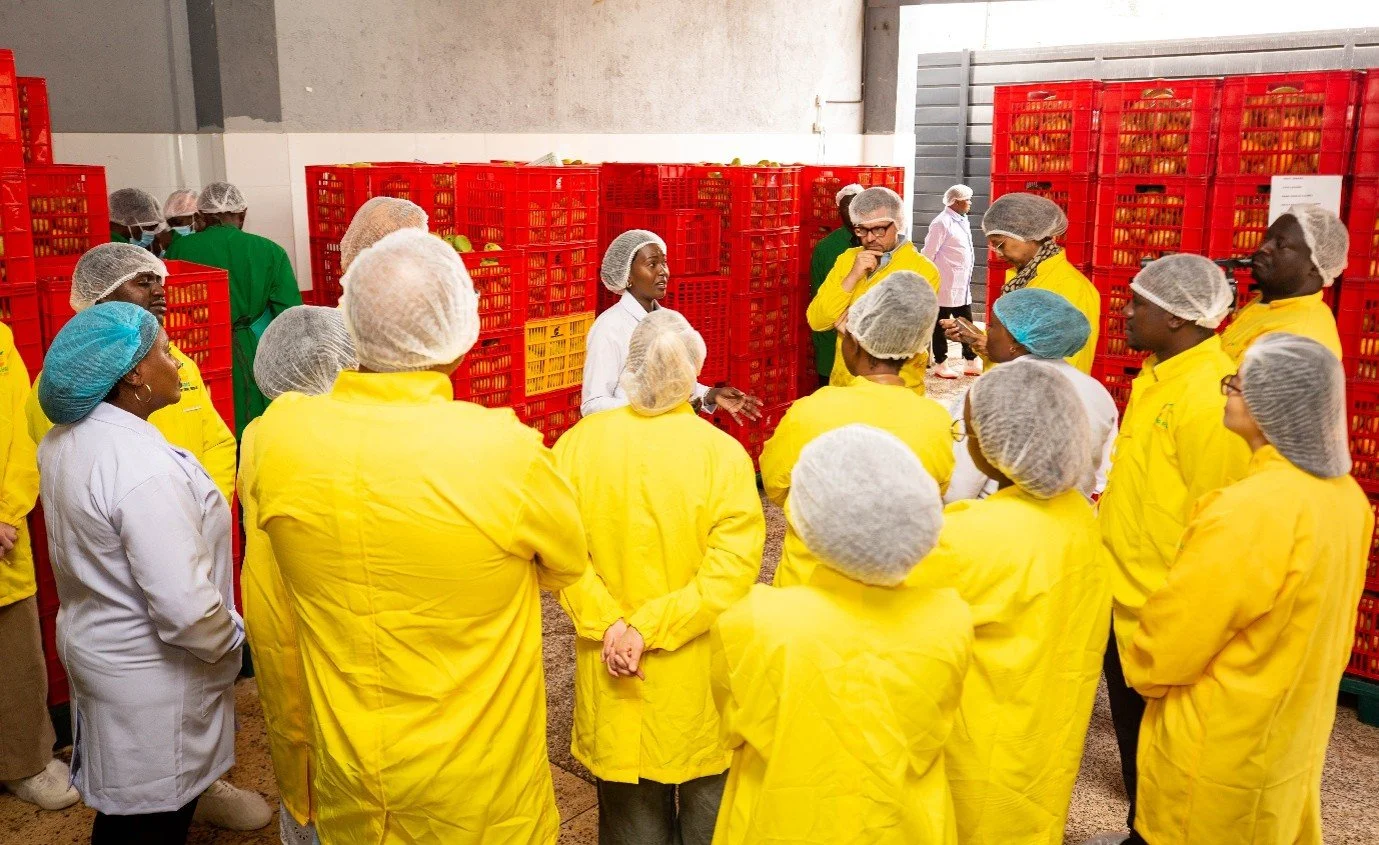
Figure 7: Investors, buyers, market intermediaries, and agri-SME representatives discussing pathways to unlock restoration-focused agriculture at a recent site visit to Orchard Juice.
Yet finance alone won’t shift systems. Scaling regenerative value chains demands coordinated action across institutions and market actors. Government collaboration can create enabling conditions through clear restorative milestones, monitoring systems and aligned policy incentives, while integrated partnerships across agri‑SMEs, buyers, investors and market intermediaries ensure consistent support and commercial pull.
Together, these interventions build the financial, technical and institutional backbone needed to scale high‑potential regenerative value chains – and accelerate landscape‑level regeneration across the GRV, RBLK and beyond.
This article is the sixth in a series, funded by Bezos Earth Fund. In the coming instalments, we’ll unpack further lessons from Regeneration’s programmes and the solutions needed to unlock regenerative growth at scale.
[1] These figures are the total land areas that are estimated to be able to be realistically under restoration by a certain period.
[2] This scoping study provides WRI with initial insights on strategic opportunities to scale restoration and attract private investment across AFR100’s priority landscapes. It is not a full economic or impact assessment, but an early-stage analysis to identify high‑potential value chains and intervention models for deeper exploration.
[3] The latter two statistics are based on Regeneration calculations.
[4] Slow Coffee’s model gives an indication of how agroforestry coffee production can accelerate smallholder incomes in RBLK more effectively than monoculture production.