
From Data to Deals: The New Entrepreneurial Skills Helping Restoration Leaders Access Capital
Agri‑SMEs have the potential to drive restoration by building sustainable farming practices [1] into their core business models, making healthier environments essential to their commercial success. Yet, at the outset of Regeneration’s Market Readiness Technical Assistance (MRTA) facility [2] 85% of restoration‑focused SMEs requested help accessing markets; a clear signal that scaling restoration depends on market access.
Without access to premium export markets, producers default to local or conventional channels, which risks a slide back toward more extractive models. Local markets may support good practice, but their lower prices rarely cover the costs and risks of regenerative transition – and high‑value, sustainability‑aligned markets are still only beginning to emerge. Conventional export markets offer little improvement – with no meaningful price differential between conventional and sustainably produced goods, they provide few incentives for farmers to invest in sustainable practices.
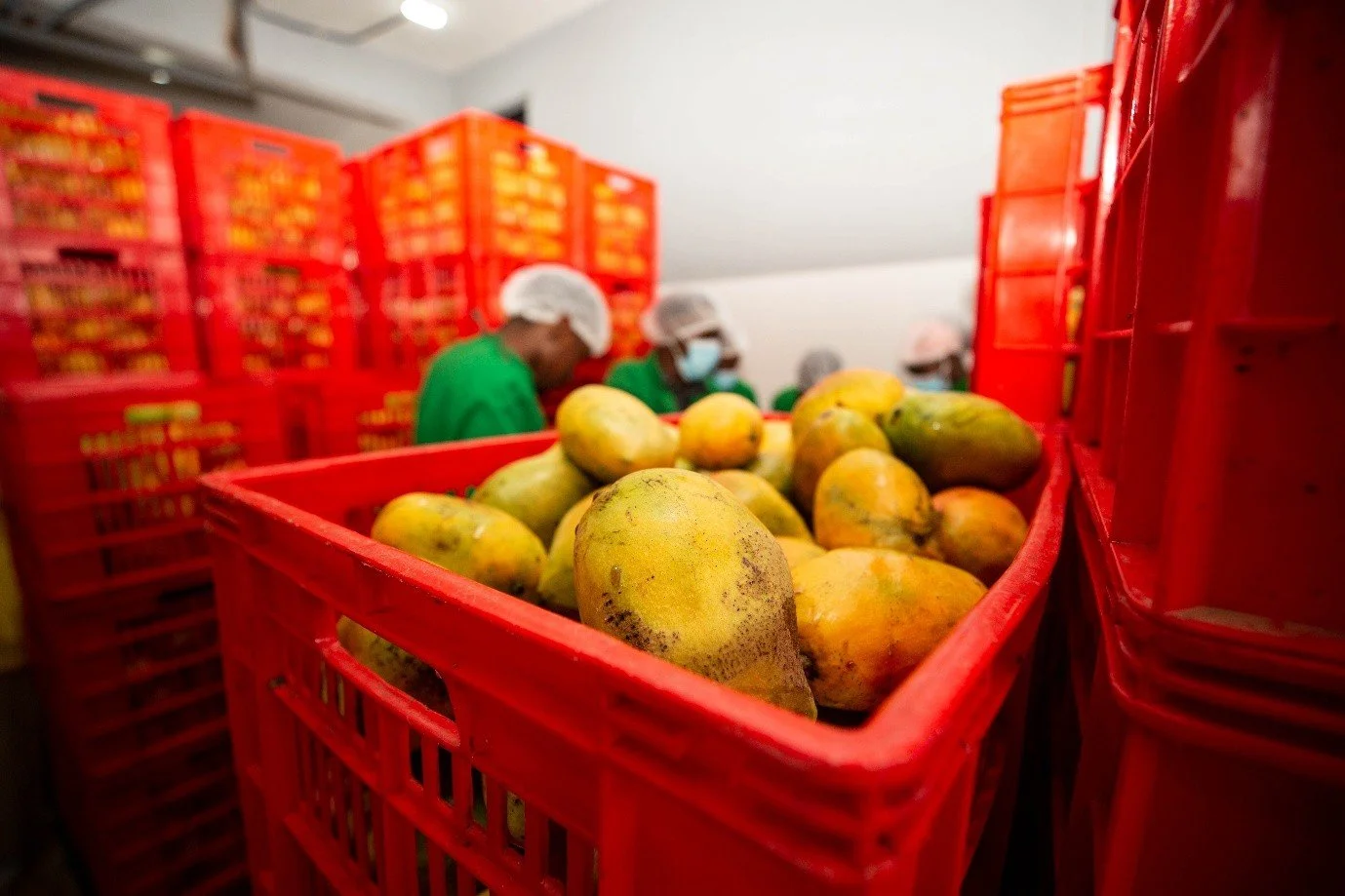
Figure 1: Mangos being sorted and packaged at Orchard Juice's processing site near Nairobi, Kenya. Orchard Juice is a restoration-focused agri-SME supported by Regeneration.
Market Intelligence: The Missing Link in Scaling Restoration
A major barrier to accessing premium export markets is the lack of accurate, timely and usable market intelligence, preventing agri-SMEs from making informed commercial decisions and positioning themselves well to scale restoration. These gaps are even more pronounced in newer or less formalised markets, such as those for sustainably produced commodities, where reliable data is scarce.
Recognising this, MRTA made market intelligence a core part of its commercial offering. The results were significant: of the more than 24 million USD MRTA mobilised into restoration‑focused SMEs, over 98% came through off‑take deals. This demonstrates how strong market intelligence can be a powerful lever for scaling restoration, giving agri‑SMEs the clarity and confidence to navigate complex markets and secure the commercial partnerships needed to expand sustainable farming practices.
From Insight to Impact: How Commodity Intelligence Drives Restorationoseph
Commodity intelligence was a central component of MRTA’s market intelligence offering, helping agri-SMEs to identify markets with real potential for profitability and restoration. By analysing demand trends, MRTA could pinpoint segments where attributes such as climate‑resilient production, organic practices or sustainable land management were genuinely valued. This allowed suppliers to focus on mission‑aligned partners rather than competing solely on commercial requirements like product specifications and price.
Commodity intelligence also sharpened commercial strategy. Instead of relying on assumptions about buyer behaviour, agri‑SMEs could design market‑entry plans grounded in real competitive dynamics, from quality requirements to procurement cycles. It clarified where SMEs could leverage their unique selling points as genuine competitive advantages, and where innovations in processing, product design or delivery could unlock higher margins and strengthen business resilience.
Leveraging Commodity Intelligence to Find the Ripe Markets for Kenyan Avocados
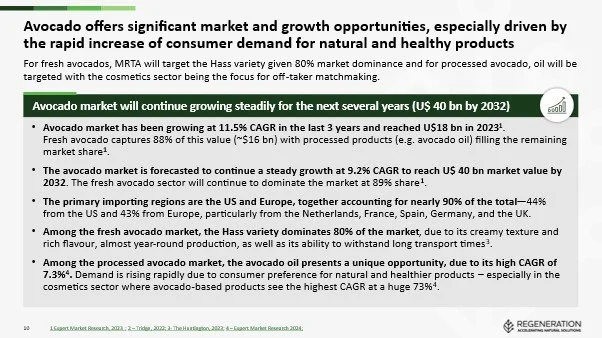
Figure 2: Screenshot of MRTA’s commodity intelligence on avocado.
In the Kenyan avocado sector, market access remains a critical barrier preventing restoration‑focused agri‑SMEs from scaling. A literature review by the Stockholm Environment Institute on upgrading the East African avocado value chain found that 76% of studies call for stronger marketing support and 47% highlight untapped international markets – underscoring the need for more strategic, data‑driven market positioning.
To overcome this barrier, MRTA developed detailed commodity intelligence for its portfolio. In the avocado sector, this analysis identified high‑value segments such as Europe and East Asia, mapped competitive pressures (including markets dominated by stronger incumbents like Peru), and clarified Kenya’s unique selling points, such as organic production models and a growing cold‑chain infrastructure capacity. Together, these insights helped agri‑SMEs secure partnerships with the right buyers – particularly premium European organic markets, where Kenyan avocados hold a natural advantage.
Biofarms illustrates this in practice. Using its commodity intelligence, MRTA matched the avocado aggregator and exporter with Eurofresh, a major organic buyer, securing a contract expected to mobilise over 1.4 million USD and support the sustainable management of more than 40 hectares of land, including the planting of an estimated 2,160 trees. Commodity intelligence not only helped to identify the target market, but also strengthened the sales pitch, enabling both Biofarms and MRTA to speak to the priorities of the buyer – for example, on quality, traceability and logistics.
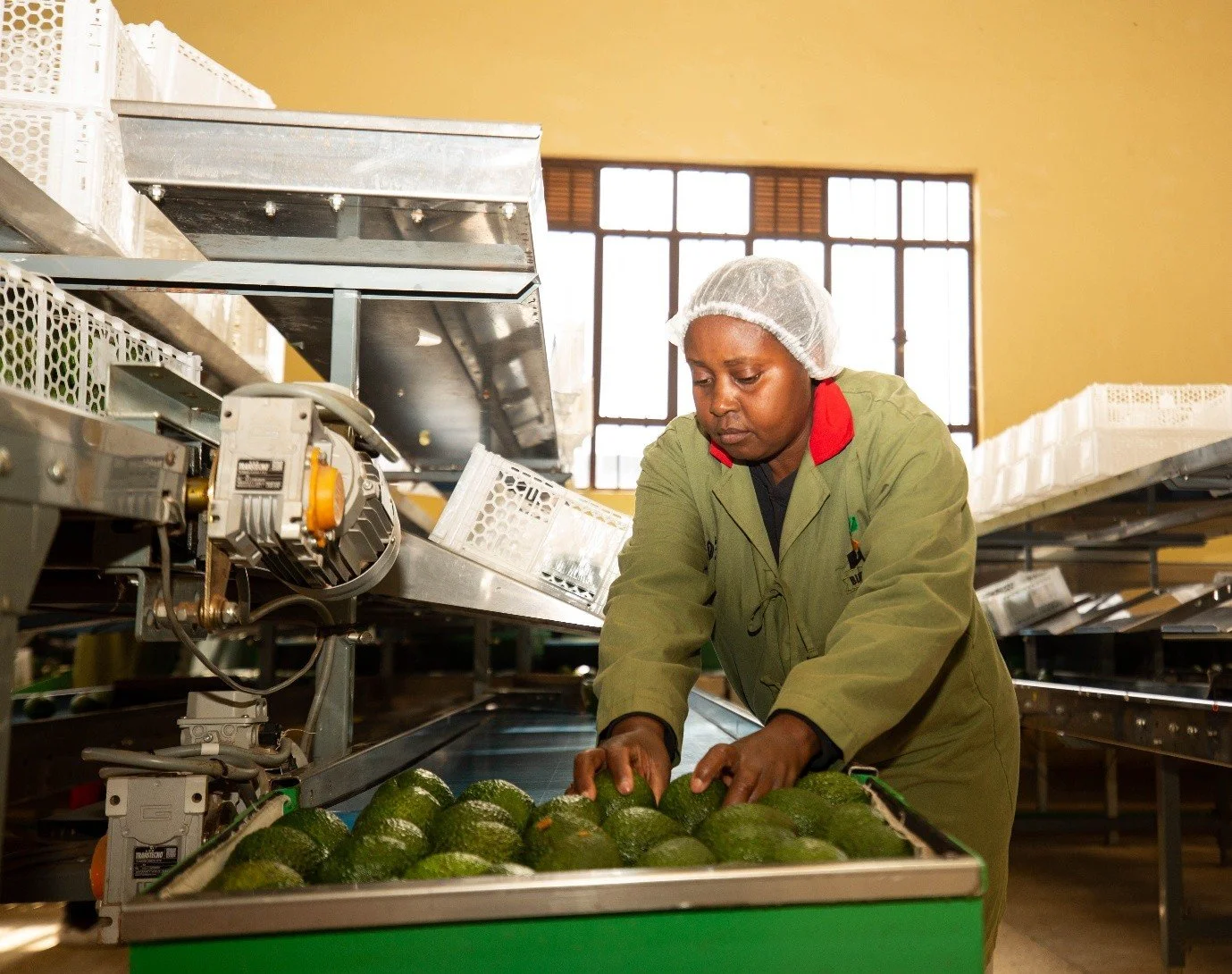
Figure 3: An employee at Biofarms sorting and processing avocados at their processing site in Thika, Kenya. Biofarms is a restoration-focused agri-SME supported by Regeneration.
From Segmentation to Strategy: Targeting Mission Aligned Buyers to Unlock Value
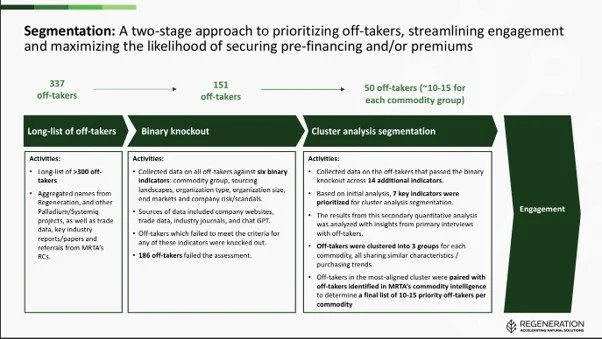
Figure 4: Screenshot from MRTA’s off-taker segmentation methodology.
Another key market‑access gap for agri‑SMEs is the lack of structured intelligence on buyers. Without it, many default to familiar contacts rather than strategic, value‑aligned partners – a challenge compounded by fragmented value chains and weak producer–buyer linkages. To overcome this, MRTA applied off‑taker segmentation analysis to identify mission‑aligned buyers willing to pay premiums and financially incentivise sustainable production.
This involved building a database of more than 400 buyers and developing a structured off‑taker segmentation model that used knockout criteria, secondary indicators and cluster analysis to identify buyers aligned with both commercial priorities and impact goals such as restoration and price premiums. MRTA then strengthened this segmentation through extensive buyer interviews and engagement at major trade fairs – including Fruit Attraction, SIAL Paris and CHOCOA – generating real‑time insights on purchasing behaviour, quality requirements and sourcing preferences. This ranged from small specialty buyers to major global buyers with substantial purchasing power and large‑scale procurement needs.
This analysis enabled MRTA to shift from broad outreach to targeted engagement, focusing on buyers with strong impact commitments, direct‑sourcing models and a track record of paying premiums for sustainable commodities. In doing so, MRTA was able to match SMEs with mission‑aligned partners actively seeking to support responsible agriculture.
Using Off‑taker Analysis to Crack Open Access to Macadamia End‑Buyers
MRTA applied its off‑taker segmentation analysis in the macadamia value chain to identify strategic end‑buyers, enabling Kenyan agri‑SMEs to bypass intermediaries, capture more value, and reinvest greater margins into restoration and sustainability.
Tropical Mac, previously dependent on low‑price intermediaries, approached MRTA to improve margins and access more transparent, stable markets. Through its segmentation model, MRTA identified end‑buyers – particularly processors in key markets such as the USA – as the most strategic targets, given their strong demand for Kenyan macadamia and the significantly higher value‑capture potential of direct sales.
Using these insights, MRTA identified a suitable American processor, facilitated introductory meetings and pitches, and supported Tropical Mac with buyer‑ready documentation, trade‑fair engagement and negotiation guidance. As a result, Tropical Mac secured three direct off‑take contracts, mobilising more than 700k USD and creating the financial headroom to invest further in land restoration.
From Regulation to Readiness: Demystifying EUDR to Unlock Market Access
Another form of market intelligence MRTA deployed to accelerate restoration was regulatory insight, breaking down complex requirements so agri‑SMEs could comply confidently and maintain access to key markets. This is particularly the case in European and American markets where strict quality, food‑safety and certification requirements are both complex and fast‑changing.
The European Union Deforestation Regulation (EUDR) is a recent example with major implications for tropical commodity producers: requiring products to be deforestation‑free, legally sourced and fully traceable. By mandating rigorous checks and transparency, the regulation aims to strengthen sustainable farming and make environmental responsibility a prerequisite for doing business in the EU.
However, compliance is costly and complex. Smallholders often lack digital tools, geolocation systems, remote‑sensing access and data platforms, and many operate across dispersed geographies that make centralised data collection difficult. Without targeted support, EUDR risks excluding smallholders from EU markets despite their strong sustainability performance. MRTA responded by developing and disseminating an EUDR concept note that broke down the regulation’s requirements and provided practical guidance, helping agri‑SMEs navigate compliance and maintain access to high‑value, restoration‑aligned markets.
Alongside this, Regeneration expanded its offering on Rebuild – a working‑capital facility providing grants to cocoa and coffee agri‑SMEs in Africa – to also include targeted technical assistance, including support on traceability and regulatory compliance such as EUDR readiness.
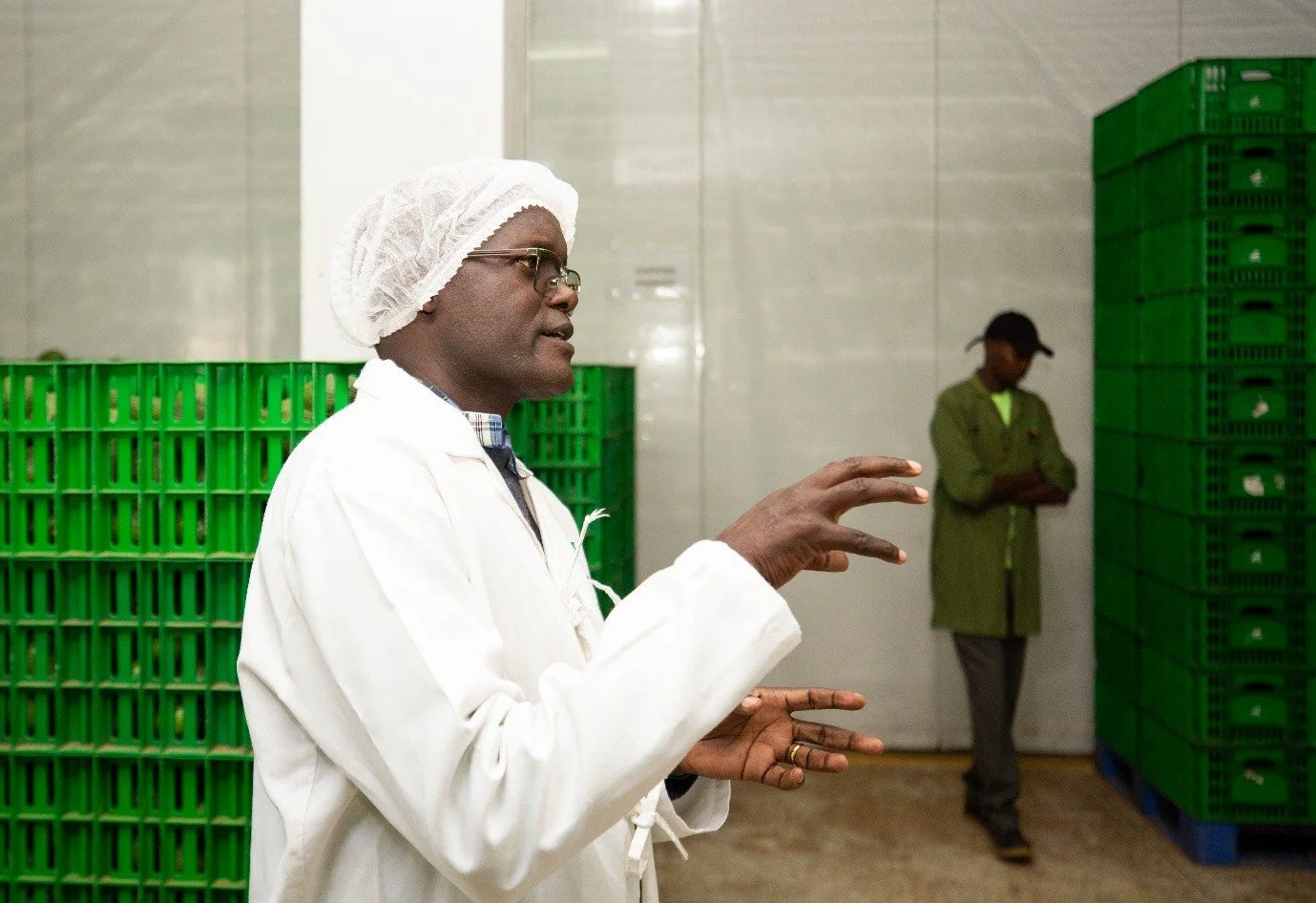
Figure 5: An employee at Biofarms explaining how avocados are tracked for traceability, transparency and reporting, providing assurance to buyers.
Scaling Restoration Through Market Intelligence: A Call to Action
MRTA’s experience – from translating complex regulations like EUDR to delivering off-taker segmentation – shows how targeted market intelligence can unlock market access for restoration‑focused agri‑SMEs. These tools enabled producers to identify mission-aligned buyers, ensure compliance and ultimately, enter premium markets that reward sustainable agriculture.
However, realising this potential requires coordinated action across the ecosystem:
Policymakers should invest in open‑access, digital market‑intelligence platforms and create enabling rules that democratise information and strengthen alliances between agri‑SMEs and other stakeholders.
Regulators and certification bodies should simplify compliance requirements, provide clear guidance and training, and reduce the cost of doing business through targeted incentives and streamlined processes.
Industry associations (e.g., CBI) should offer training, publish accessible market‑trend information and maintain sector‑specific databases, leveraging digital tools and web‑scraping technologies to deliver timely, actionable insights.
Off‑takers should invest in supplier capacity building, support compliance with standards and strengthen quality systems — not only within their direct supply chains but across wider sourcing landscapes to build resilience.
Donors, investors and market intermediaries should provide technical assistance to improve product quality, meet international standards, navigate markets and connect SMEs to new buyers.
Together, these efforts can ensure that restoration‑focused agri‑SMEs are not only producing sustainably, but are fully equipped to access the markets that reward and sustain their sustainable practices. When agri‑SMEs have strong market intelligence, they make informed commercial decisions, keep pace with fast‑changing demand and ultimately, are better positioned to scale restoration.
This article is the fifth in a series, funded by Bezos Earth Fund. In the coming instalments, we’ll unpack further lessons from Regeneration’s programmes and the solutions needed to unlock regenerative growth at scale.
[1] Sustainable farming practices include methods like crop rotation, agroforestry, efficient water use, and integrated pest management to improve soil health, biodiversity, and long‑term resilience.
[2] MRTA is an agribusiness accelerator programme, funded by the Bezos Earth Fund and the World Resources Institute. MRTA provides no-cost technical assistance to small and medium-sized agribusinesses in Africa that are producing high-quality, sustainable commodities, in regenerative, agroforestry systems that help to restore landscapes.