
Closing the Financing Gap: Working Capital and Other Financial Barriers Facing Restoration Enterprises
With 80% of Africa’s cultivated land degraded and 485 million people affected, the need for restoration is urgent. Agri‑SMEs [1] — responsible for over 60% of the continent’s food production — are central to this effort, able to scale sustainable practices that restore land and strengthen climate‑resilient livelihoods for smallholder farmers. Yet most are unable to realise this potential because they lack access to affordable finance. The “missing middle” segment—too large for microfinance or grants, but too small to secure commercial lending—faces an estimated $74.5 billion financing shortfall, leaving many agri-SMEs chronically underfunded.
Working Capital: The Critical Barrier to Agri‑SME Growth
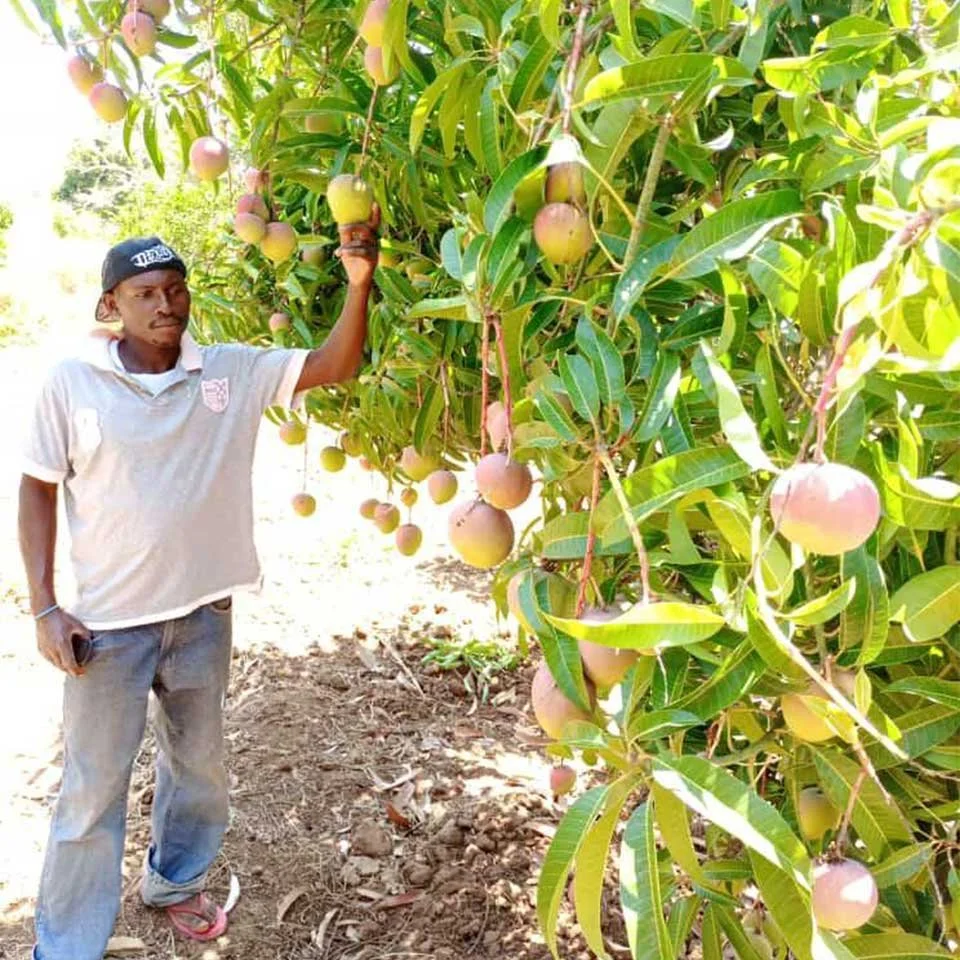
Image 1: A smallholder farmer supplying mango to Orchard Juice for processing into juice. Source: Orchard Juice website.
Within this wider financing gap, working capital is the most acute constraint: 80% of restoration-focused agri-SMEs supported by Regeneration’s Market Readiness Technical Assistance Facility (MRTA) [2] cite it as their primary challenge. Agri‑SMEs in the “missing middle” depend on working capital to expand downstream operations, and seasonal cash‑flow cycles only heighten this pressure. They must purchase inputs and raw materials months before revenue arrives, all the while managing weather risk, price volatility, and limited collateral.
This constraint is clearly illustrated by Orchard Juice, a Kenyan fruit processor and one of the restoration-focused agri-SMEs supported by MRTA. During the programme, the company secured open purchase orders with mission-aligned buyers and expanded into a larger processing facility to meet rising demand, yet struggled to access sufficient working capital. As a result, Orchard Juice was unable to pre-purchase sufficient fruit from its farmers to meet the scale of demand. The consequence for nature recovery is direct: without working capital, restorative agribusinesses like Orchard Juice cannot scale sustainable production models or contribute meaningfully to restoration.
Why Banks Hold Back: The Perceived Risk of Agri‑SMEs
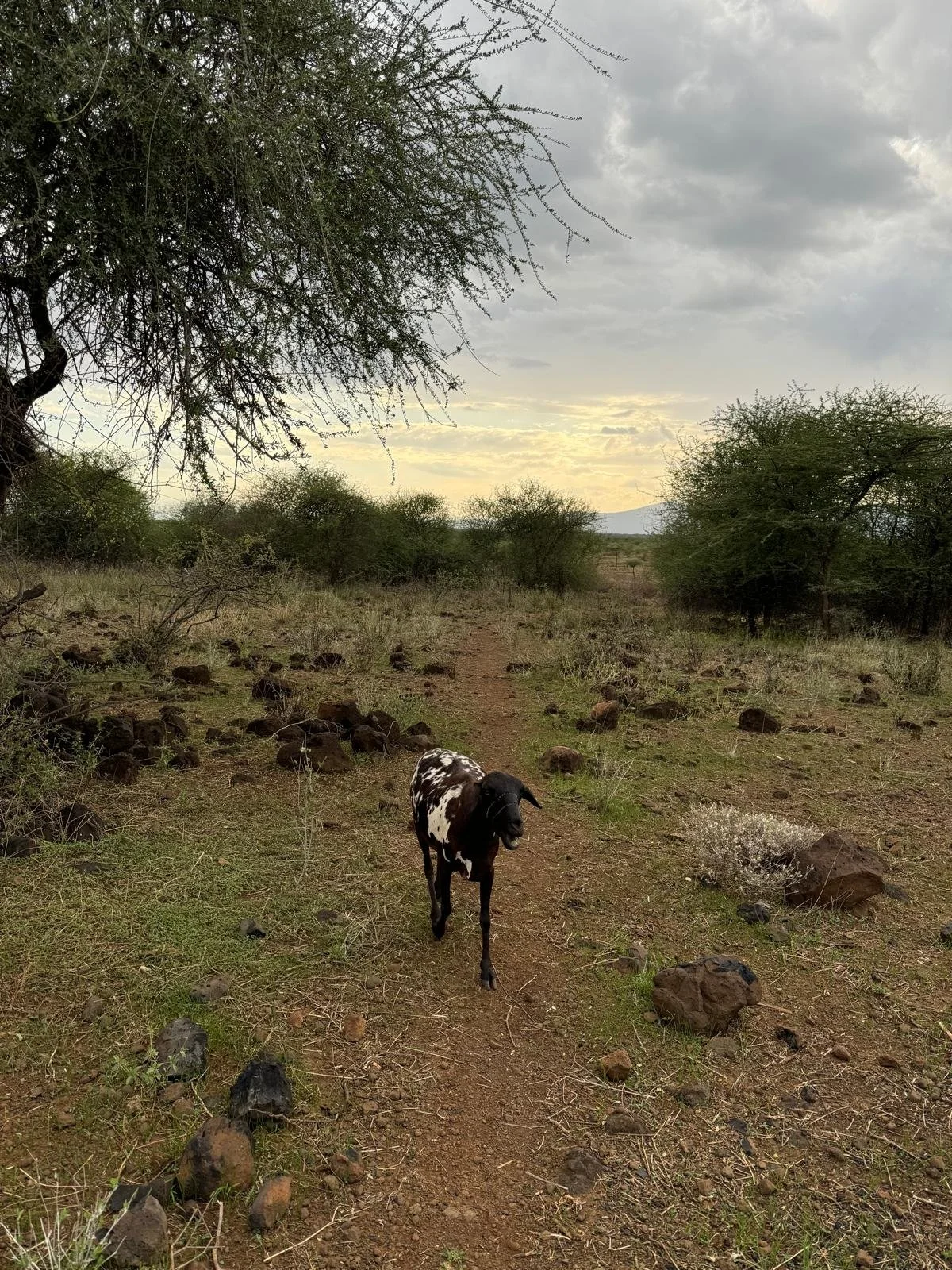
Image 2: A site where Acacia EPZ — one of MRTA’s RCs — sources gum arabic. Gum arabic remains an under‑invested agri‑value chain with significant potential.
So why is it so hard for agri‑SMEs to secure working capital? At the core, they are widely perceived as high‑risk borrowers, which drives banks to impose strict lending requirements, such as high interest rates, strong credit history and significant collateral. Agriculture is considered twice as risky as other sectors, with uncertain and highly seasonal cash‑flow cycles. Recent global shocks—such as the conflict in Ukraine, the COVID‑19 pandemic, and increasingly frequent extreme‑weather events—have further weakened the financial position of agri-SMEs and led banks to tighten credit standards, reducing the availability of working capital across the board. These challenges are particularly acute in Africa, where agribusinesses are viewed as twice as risky as those in Latin America.
Further to that, the opportunity cost of lending elsewhere is high. Other sectors offer easier entry and higher returns, while limited competition allows African banks to earn some of the highest margins globally. This makes lower‑return, higher‑risk activities like agri‑SME lending far less attractive, especially in informal and less developed value chains, such as those in the Rusizi Basin–Lake Kivu region or in crops like gum arabic. This challenge is compounded by capital‑adequacy rules like IFRS 9, which require banks to provide for expected loan losses. Because high‑risk sectors trigger larger provisions, the cost of lending rises, making these segments even less attractive. As a result, many banks cap their agricultural exposure and choose to focus on established export crops like cocoa and coffee.
This leaves many SMEs unable to access the finance they need – a challenge even more acute for restoration‑focused agri‑SMEs, who face longer cash cycles and delayed returns. Ultimately, risk in agri‑lending is real, but over-inflated risk perceptions hold the sector back. For example, agri‑SME non‑performing loans (loans not being repaid on time) are still 1.4 times higher than the overall ratio for Aceli’s lenders [3], but this is down from 2x in 2019, showing that risk is beginning to decline. As high‑volume lenders strengthen their systems and better MRV data reduces uncertainty, perceptions should start to align with reality, making capital more affordable and accessible for restoration‑focused agri‑SMEs.
Why Impact Investors Hesitate: Cost Pressures and Limited Returns
While impact investors are prepared to absorb more risk than banks, their flexibility on working capital terms is still limited—meaning they supply only ~5% of the market. For example, many impact investors raise capital in USD or EUR from overseas investors, which prevents them from offering loans in local currency. As a result, foreign exchange risk is pushed onto borrowers, which can be difficult for agri‑SMEs operating with tight margins and seasonal cash flows.
In addition, most investors expect at least capital preservation, if not risk adjusted returns. But serving agri SMEs can be costly: due diligence, monitoring, and tailored product design require intensive engagement, especially without strong local presence. Costs rise further in new value chains or with less formal SMEs, who typically lack collateral, long track records, or audited accounts. This means that working‑capital lending to small or short‑term borrowers is often commercially challenging; even stronger borrowers leave limited margin to absorb credit losses.
De‑risking tools are beginning to emerge that can shift this dynamic – and they are urgently needed. Without them, to preserve capital and meet investor expectations, lenders would need to charge roughly double the current interest rates, levels prohibitive in restorative agriculture, where long cash cycles, exogenous risks, and low margins make such pricing unviable.
Lessons From Regeneration: Delivering Technical Assistance and Tailored Financial Structuring to Unlock Working Capital
While the challenges are significant, they can be overcome. Agri‑SMEs simply need workable ways to access working capital and grow the restorative farming models that drive long‑term value. Regeneration’s experience on MRTA shows how targeted technical assistance can play a role. Through business advisory and commercial support, enterprises have been able to refine their business models, sharpen their market positioning, and improve investor readiness — all of which has made lending more feasible. Investors and off‑takers repeatedly noted that this type of support reduced risk and increased confidence in moving transactions forward during MRTA.
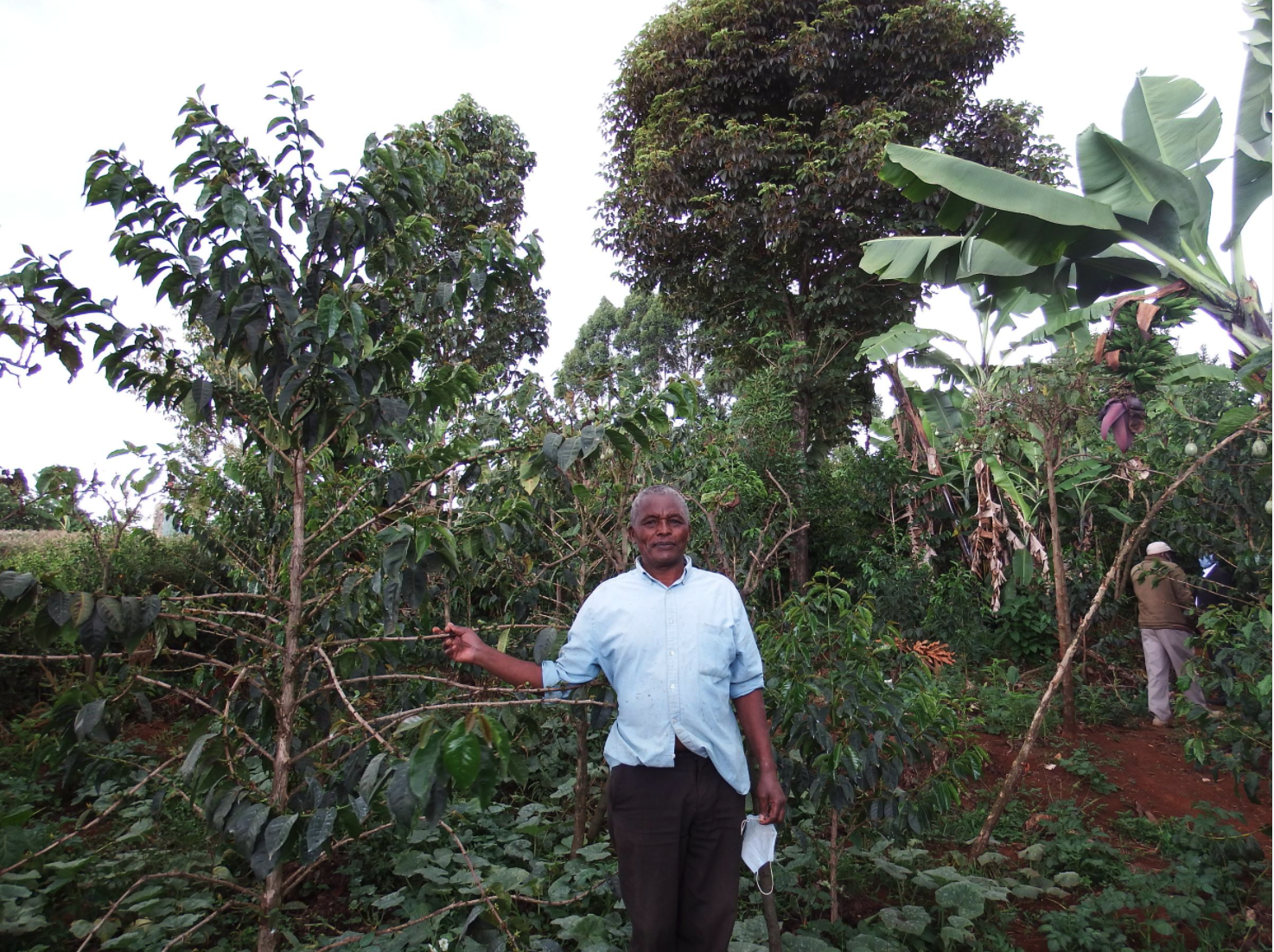
Image 3: A smallholder farmer from the Thiriku cooperative in Kenya, one of the agri-SMEs being supported by the Rebuild Facility.
Regeneration’s Rebuild Facility also illustrates the role of technical assistance. Rebuild began as a finance‑only facility offering returnable, interest‑free grants to support at‑risk value chains, but early experience revealed that many SMEs lacked the capacity to manage funds effectively or attract further return‑seeking finance. This highlighted the need to pair working capital with targeted support. In 2024, Rebuild introduced technical assistance focused on traceability and regulatory compliance, unlocking additional finance, and strengthening strategy and governance —building SME capacity to make them investment‑ready.
Alongside capacity‑building, Regeneration has also reduced transaction‑level risk through careful financial structuring. For instance, trade-finance arrangements can offer more predictable repayment paths for risk-averse lenders. When agri-SMEs need working capital to buy inputs, move goods or bridge the gap between delivery and payment, lenders can use instruments linked to a purchase order or off-take agreement. With a committed buyer, repayment becomes more predictable and short term liquidity easier to provide—especially for restoration focused agribusinesses that face higher upfront costs and longer production cycles.
Lessons From Regeneration: Designing Blended Finance Approaches to Reduce Risk and Make Lending Viable
While financial structuring and transaction‑level tools can help individual deals cross the line, blended finance goes a step further. It doesn’t just optimise a single transaction—it reshapes systemic market risk, leveraging public finance to crowd in private.
One blended finance structure that works well for agri-SMEs is a first‑loss guarantee, which protects lenders entering riskier value chains. With this model, a concessional funder deposits 2–6% of each working capital loan into a reserve account. This pool absorbs the first losses if borrowers default. By taking the earliest—and riskiest—portion of losses, the lender knows they won’t absorb the full loss themselves, encouraging them to lend to SMEs and value chains they would normally avoid.
Origination incentives are another example. Lenders receive fixed payments from a blended-finance partner like Aceli (e.g., $6k for returning borrowers, $10k for new ones) to offset the lower revenues and high cost of sourcing, assessing, and monitoring small agri-SME loans. These incentives top up the lender’s revenue, making smaller working capital loans commercially viable.
Beyond Working Capital: The Need for Long-Term Patient Capital
Whilst working capital is critical for the “missing middle” however, it cannot close the financing gap on its own. Regeneration’s Restorative Landscape Investment Study [4] shows that agri‑SMEs also need long-term patient capital to invest in processing, value addition, and other upgrades that strengthen margins and resilience.
For example, early‑stage and scale equity can unlock growth by giving early stage firms the buffer to absorb risk, build systems, and eventually qualify for working‑capital lines and longer‑tenor loans. Long‑term debt is equally important for CAPEX and OPEX improvements—such as processing equipment, storage, or certification—that lift margins and make enterprises more bankable.
Yet, equity remains scarce: less than $500 million went into agricultural firms in sub‑Saharan Africa in 2022, and most of this went into digital ag‑tech. Similarly, long-term debt continues to be a binding constraint for the majority of agri-SMEs. Thus, beyond working capital, structural gaps in both equity and long‑term debt continue to constrain growth.
Closing the Gap: What It Takes to Finance the “Missing Middle”
The evidence is clear. Africa’s agri-SMEs are uniquely positioned to scale sustainable agriculture, restore nature, and create viable pathways out of poverty for smallholder farmers—but they remain chronically underfinanced. Working capital is the most immediate barrier, yet the broader financing gap will only close through coordinated action. Progress depends on aligning short-term liquidity with long-term, patient capital so that SMEs can operate, grow, and ultimately transform value chains.
To get there, each stakeholder has a distinct role to play:
Policymakers can lower systemic risk by shaping an enabling environment through guarantees, tax incentives, concessional funding, and regulation that attracts commercial lenders.
Development Finance Institutes (DFIs), donors and philanthropists can unlock private finance by deploying catalytic public capital and supporting de‑risking tools such as first‑loss guarantees and origination incentives; DFIs in particular can provide the patient, long‑term financing needed for scale‑enabling investments.
Impact investors and other private capital providers can mobilise flexible, risk‑tolerant capital—as part of blended structures—to expand capital flows to agri-SMEs that traditional lenders overlook.
Off-takers can reduce transaction‑level risk by providing upfront purchase orders and embedded technical assistance that strengthens agri‑SME operations and improves bankability, as well as offering fair contract terms such as shorter payment cycles, advance payments, volume commitments, shared quality‑risk mechanisms, and reasonable delivery windows. Contracts should also reward nature- and people‑positive practices to create clear financial incentives for scaling them.
Ultimately, closing the financing gap is not about a single instrument or intervention. It is about building a coordinated, blended system where each actor contributes. A restoration‑focused working‑capital facility offers a strong foundation to build from, but only through complementary instruments and collaboration will Africa’s restoration-focused agri-SMEs have the capital they need to grow and deliver impact.
This article is the second in a series, funded by Bezos Earth Fund. In the coming instalments, we’ll unpack further lessons from Regeneration’s programmes and the solutions needed to unlock regenerative growth at scale.
[1] Small and Medium-sized Enterprises
[2] MRTA is a programme delivered by Palladium and Systemiq (Regeneration) to scale restoration-focused agribusinesses in East and West Africa.
[3] Aceli Africa is a nonprofit organization focused on promoting inclusive agricultural development in East Africa.
[4] This scoping study funded by the World Resource Institute (WRI) aimed to provide insights and strategic advice on potential interventions/models to scaling up restoration activities in AFR100's three priority landscapes.